

negotiate 18% extra?
Most people think the salary conversation ends when the offer comes in.

The Salary Conversation Starts After the Offer
Most people think the salary conversation ends when the offer comes in.
It does not.
In fact, that is where the real deal for a candidate is to see if their blood, sweat and tears are worth the money the company is offering.
Think of it like buying a secondhand car.
The seller names a price, and one buyer accepts it immediately.
Another buyer asks one simple question, “Can you give us a better deal?”
Same car. Same condition. Same year. Very different outcome.
One person leaves without trying. The other walks away with more value for the exact same purchase.
Job offers work the same way.
Candidates often assume the first number is fixed. But it is just the opening move.
And that hesitation costs a person a lot.
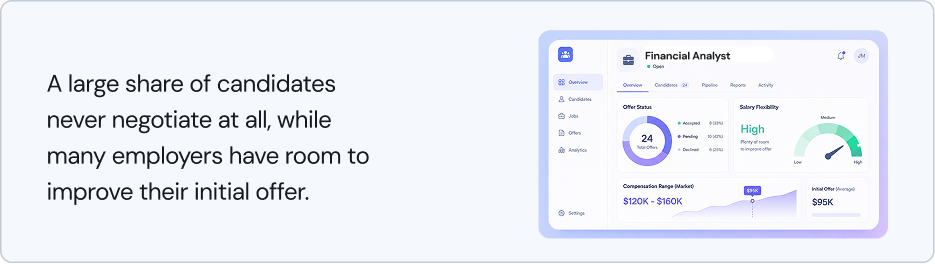
The door is already open. Most people just do not step through it. They fear that they would quote a higher number which might not fit the company’s budget.
That is the part worth remembering:
Negotiation is not about being difficult.
It is about not leaving money on the table out of fear of asking for more.
Let’s fix this.
Why You’re Scared (And Why That Fear Is Completely Made Up)
The #1 reason people are apprehensive about negotiating:
“What if the company withdraws the offer?”
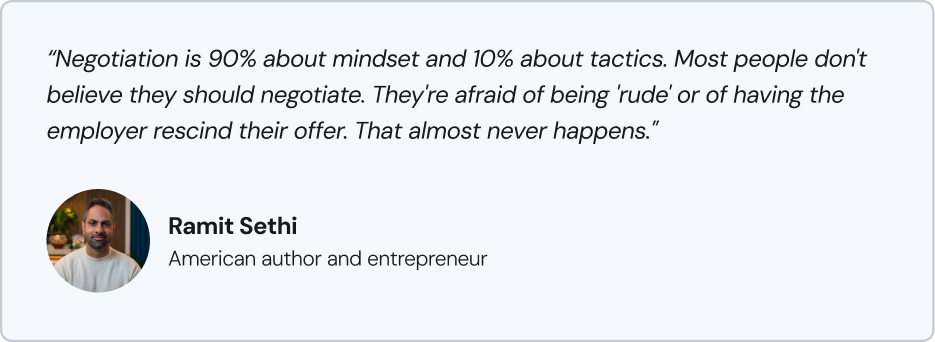
However, this apprehension is misplaced as most companies don’t withdraw offers just because the candidate negotiated.
A company that reacts badly to a respectful and reasonable negotiation is probably not such a good place to work.
A research done by Pew Research Center in 2023 shows that 55% of job seekers never try negotiating their pay at all.
Yet 66% of those who negotiate successfully get what they ask for.
This gap between two outcomes boils down to how the aspirant frames their conversation.
It is necessary to know that a recruiter will always lead with the lowest possible offer.
Before You Counter: Do This First
While the first instinct of a person screams that they deserve more for the dedication they would bring to the role, “I feel like I deserve more” is a sentiment and not a strategy.
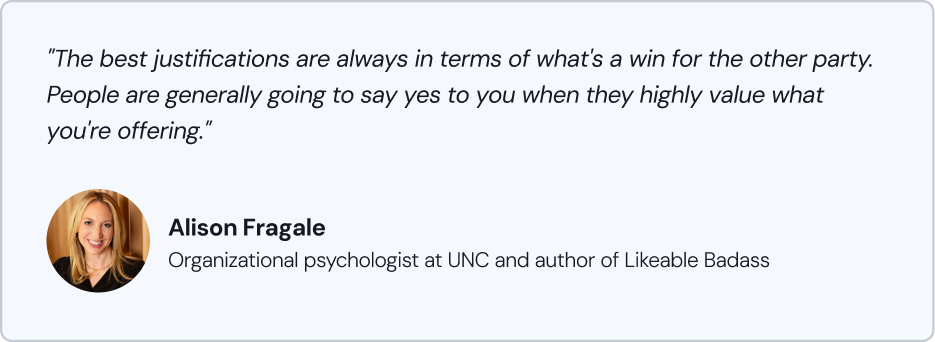
In other words, the company already has all the data it needs about you. Your job is to have just as much data about them.
To be at a position to negotiate, here’s what you actually need before you pick up that phone:
1. Quote your range, not an exact number: not just what sounds good, but what’s realistic for your experience, role, and location
2. Know what to say. Back it up with market research: word for word. Most people freeze mid-conversation because they didn’t do their market research
3. Know how to handle pushback: because they will push back to save the company’s money.
Salary Is Only 70% of the Offer
This is the part most people completely ignore. When they can’t move on to a base salary, they almost always can move on to something else.
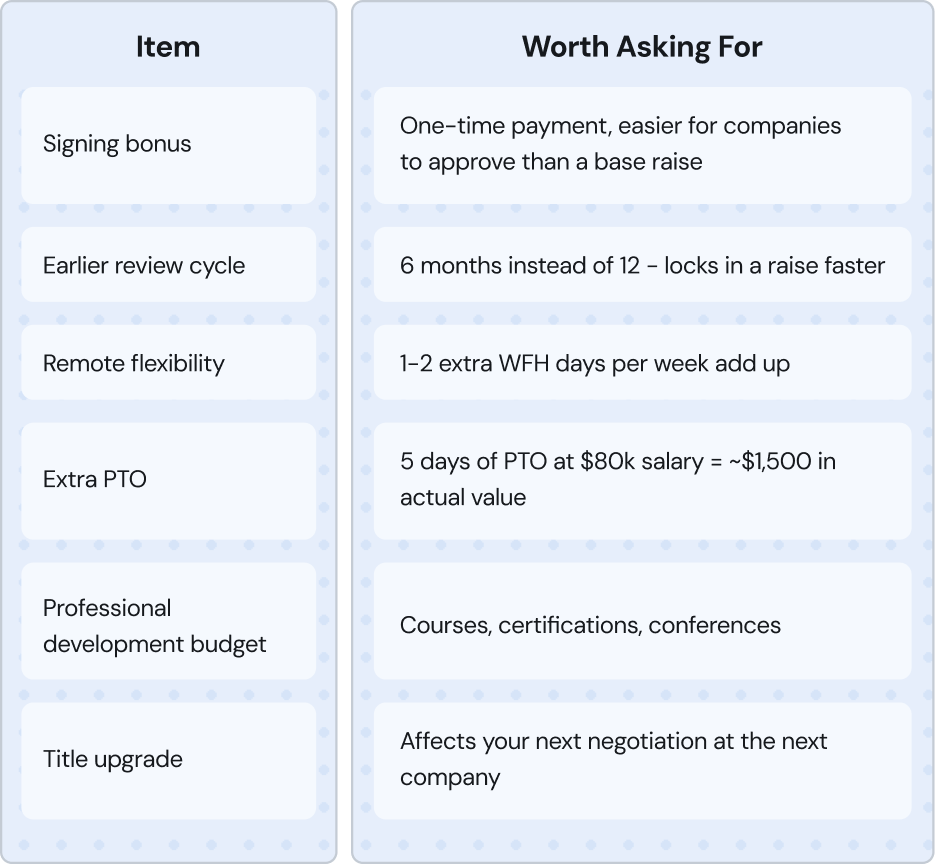
What’s actually negotiable:
The Conversation Most People Handle Poorly
The mistake most candidates make is negotiating emotionally and immediately.
The offer comes in, relief takes over, and they accept before they have even processed what the package is actually worth.
Rule of thumb: Do not negotiate on the spot.
The first thing you should do after receiving an offer is buy yourself time.
“Thank you so much. I’m really excited about the role. Can I take 24 hours to review the full offer?”
Simple. Professional. Calm.
Those 24 hours matter more than people think.
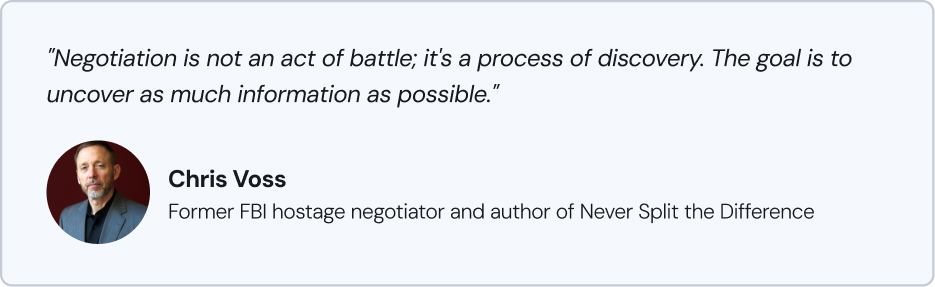
Rushing to respond is the opposite of discovery. Those 24 hours are when you actually gather the information that gives you leverage.
What to Say When You Get on the Call
Once you have taken your time to think, schedule a call with the recruiter. Send a calendar invite.
Whenever you sit with them on the call,
Make sure you show them that you are interested before moving to data.
“I’m really excited about the opportunity and would love to join the team. I spent some time researching the market for similar roles in [city], and based on platforms like Glassdoor, LinkedIn Salary, and Levels. FYI, the typical range seems to fall between $X and $Y. Given my experience in [specific skill or achievement], I was hoping we could move closer to $[your target number]. Is there flexibility there?”
Now that the ball has been thrown to the recruiter, you wait.
It is mostly in this interim of the conversation where candidates lose the deal by panicking, overexplaining, backtracking or underselling themselves.
Recruiters knew that this conversation was coming.
If they agree, great. Get the updated offer in writing.
If they tell you the salary is already at the top of their range, shift the conversation instead of ending it.
“I completely understand. Would there be flexibility around a signing bonus, additional PTO, remote flexibility, or an earlier performance review?”
Companies might not agree to adjusting the base pay as it affects the long-term payroll structure.
One-time benefits like joining bonuses makes it easier to get approvals.
And if they say it is their best and final offer?
“I appreciate the transparency. Can I take another 24 hours to think through the full package?”
Before You Accept, Ask Yourself This
This is when you evaluate whether the number quoted justifies the amount of hard work, and experience you would bring to them.
Also consider factors like growth potential, work culture, perks, learning opportunities and the role itself.

Negotiation is not about tricking someone into paying you more. It is about walking in with a clear, data-backed understanding of what you bring and refusing to shrink from it.
One reason you must never give while negotiating your salary is financial problems.
Although inflation and recession may have impacted every aspect of your life, it is not the employer’s concern.
The employer responds to market value, business impact and professional positioning.
How the Careerflow AI Salary Negotiation Tool Saves Your Day
Everything above comes down to three things: know what the market pays, know your number, and know how to handle the recruiters’ objections.
That is exactly what Careerflow’s Salary Negotiator helps you with:
Step 1 - Head to the Negotiation Agent and give it your role, job offer, experience, and location
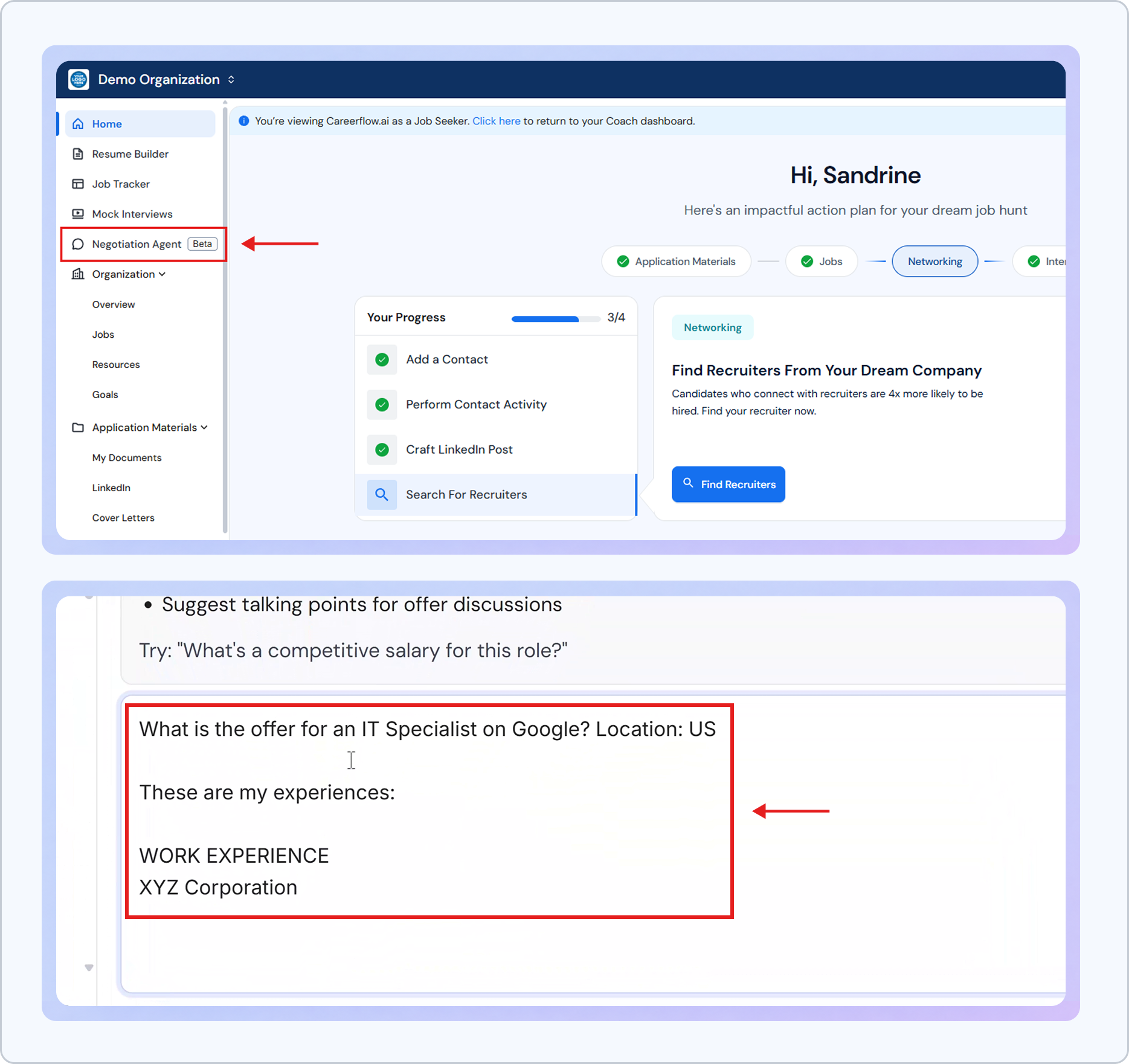
Step 2 - Ask the agent your questions:
“I’ve been offered $115,000 for a remote IT Specialist role at Google. I have 9+ years of experience in infrastructure, security, and automation and I don’t want to settle for the offer. What should I counter with, and can you draft the message?”
Step 3 - Use the guidance and talking points from the assistant to confidently negotiate your offer.
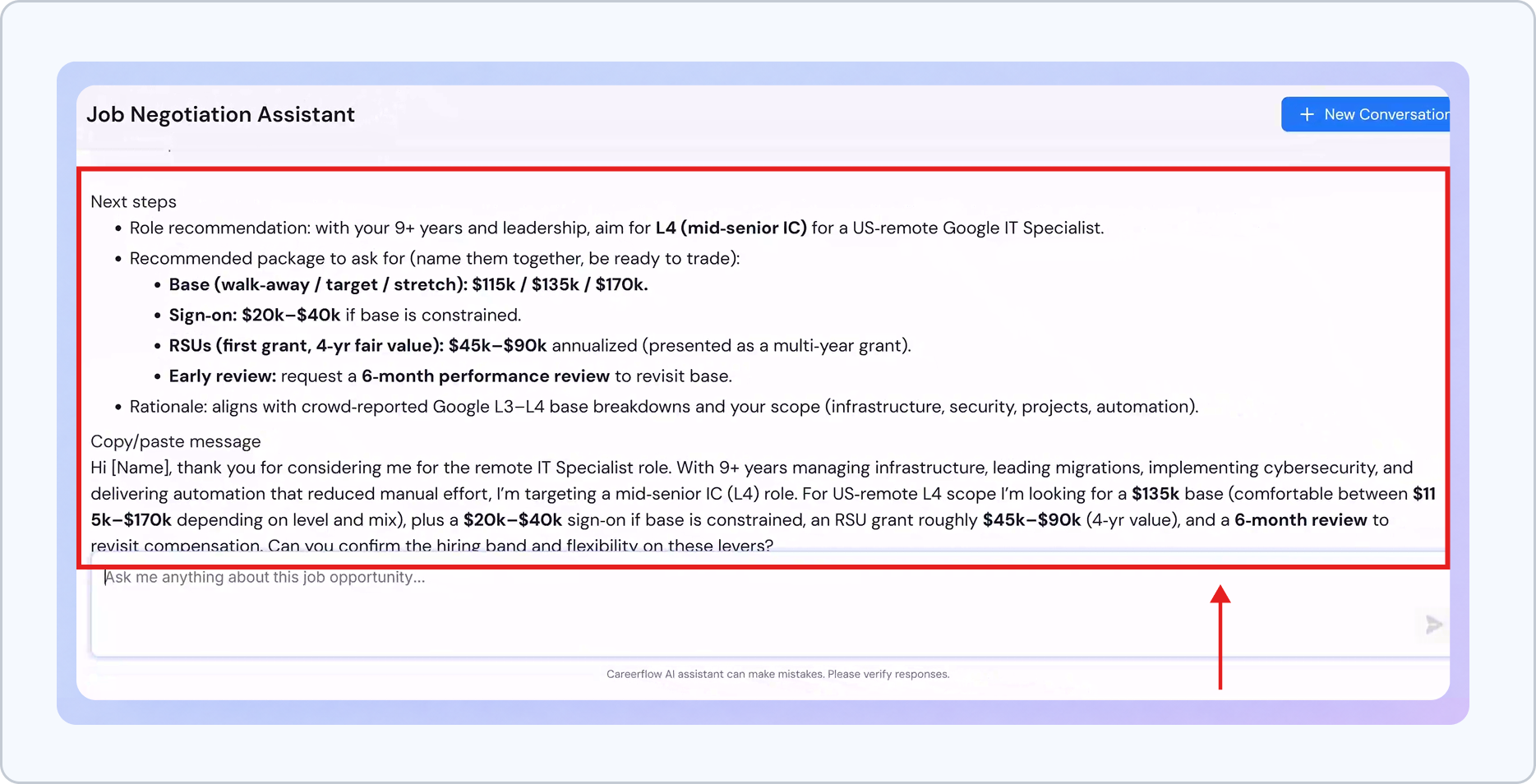
Regular LLM’s lack the context our Salary Negotiation tool has:
The whole thing takes less time than it took you to read this section.
Contemplating an offer?
Access the Careerflow AI Salary Negotiator here
💡Did you know people who negotiate their salary get an average of 18.83% more than those who accept the first offer?
The worst they can say is no. But you would never know unless you ask.
See you next week.
Puneet
P.S. Know someone who just got an offer and is about to accept it without negotiating? Forward this to them right now. Literally right now. It might be worth thousands to them.